Texas-Style Smoked Beef Brisket
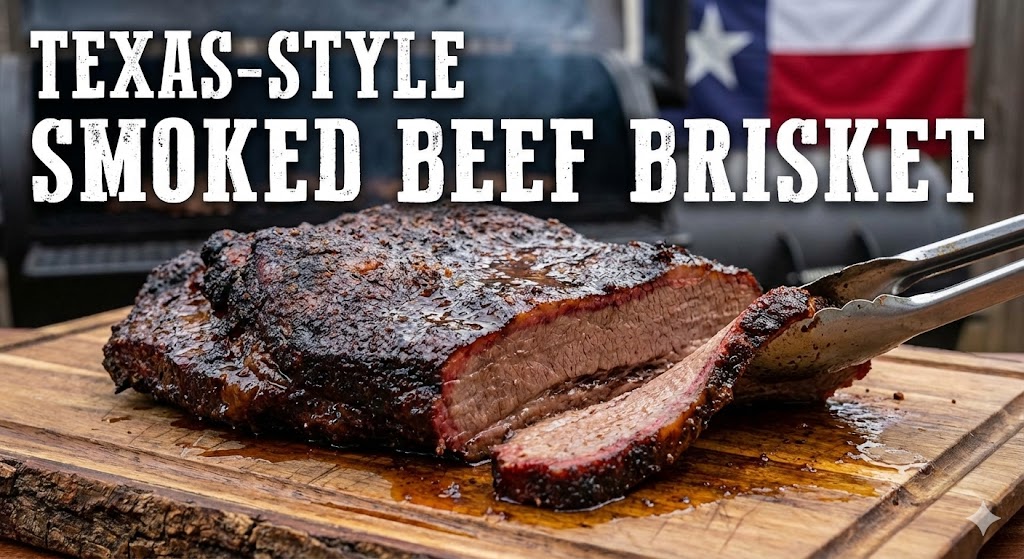
Texas-style smoked beef brisket is widely revered as the absolute king of American barbecue, and for good reason. It is a notoriously unforgiving cut of meat that demands respect, patience, and a deep understanding of fire management. A whole 'packer' brisket consists of two distinct muscles: the lean, rectangular 'flat' and the thick, fatty 'point'. These muscles cook at different rates and contain vast amounts of tough connective tissue and collagen. The magic of smoking a brisket is utilizing low, slow, indirect heat to gently melt that collagen into rich, gelatinous moisture, transforming a tough piece of meat into something that pulls apart effortlessly while still maintaining a beautiful, peppery crust known as the 'bark.'
Before the meat ever sees the smoker, you must master the trim. Trimming a brisket is arguably the most crucial step for a home pitmaster. You must remove the thick, hard deckle fat that will never render down, while leaving a precise quarter-inch layer of fat across the top of the flat to protect it from drying out during the long cook. You also want to shape the brisket so it is aerodynamic, rounding off any sharp corners or thin edges that would otherwise burn and turn into crispy, inedible croutons in the smoker.
In true Central Texas style, the rub is incredibly minimalist. You do not need sugar, paprika, or complex spice blends. You need a 50/50 mix of coarse kosher salt and 16-mesh coarse black pepper—often referred to as a Dalmatian rub. The coarse pepper is absolutely vital; it catches the smoke particles in the air, helping to build that iconic, deeply dark, mahogany bark. Apply the rub heavily and evenly, patting it into the meat rather than rubbing it, and let it adhere while you build your fire.
Smoking a brisket takes anywhere from 12 to 18 hours, depending on the size of the meat and your smoker's temperature (usually kept strictly between 225°F and 275°F). You are looking for thin, blue smoke burning from oak or hickory wood. Halfway through the cook, the meat will hit 'the stall' around 165°F (74°C). This is where the meat sweats, cooling itself down through evaporation, and the temperature refuses to rise for hours. To combat this and protect the bark, pitmasters employ the 'Texas Crutch,' wrapping the brisket tightly in unwaxed pink butcher paper. Once the brisket reaches absolute probe tenderness (around 203°F), the final and most agonizing step begins: the rest. You must rest the brisket in a dry cooler for at least 2 to 4 hours to let the roaring hot juices redistribute. Cutting it immediately will result in a dry, ruined brisket. When you finally slice, always cut against the grain for maximum tenderness.
📖 The Recipe
🍅 Ingredients
- 1 Whole Packer Beef Brisket (12-15 lbs, prime grade if possible)
- 1/2 cup Coarse Kosher Salt
- 1/2 cup Coarse 16-Mesh Black Pepper
- Yellow Mustard or Pickle Juice (as a binder)
- Unwaxed Pink Butcher Paper (for wrapping)
- Post Oak or Hickory Wood Chunks/Logs
🍳 Instructions
- Trim the Brisket: Place the cold brisket on a large cutting board. Using a sharp boning knife, remove the hard 'deckle' fat from the underside. Flip it over and trim the fat cap down to an even 1/4 inch thickness. Trim off any thin, wispy edges and round the corners so the brisket is aerodynamic. This prevents burnt edges.
- Apply the Binder and Rub: Mix the coarse salt and coarse black pepper thoroughly in a shaker. Apply a very light coat of yellow mustard or pickle juice all over the brisket—this doesn't add flavor, it just helps the rub stick. Coat the entire brisket heavily and evenly with the salt and pepper mix. Let it sit at room temperature for 1 hour.
- Fire up the Smoker: Prepare your smoker for indirect cooking. Bring the temperature to a steady 250°F (120°C). Add chunks of post oak or hickory wood to the coals. You want clean, thin blue smoke, not thick, billowing white smoke.
- The Smoke Phase: Place the brisket on the grates, fat side up (or down, depending on where your heat source is coming from to protect the meat). Insert a leave-in meat thermometer into the thickest part of the flat. Close the lid and smoke undisturbed for the first 3 hours. After 3 hours, begin spritzing the edges with apple cider vinegar every hour if they look dry.
- The Wrap (Texas Crutch): When the internal temperature reaches about 165°F (74°C) and the bark has formed a deep, dark mahogany crust that doesn't scrape off with your fingernail, it is time to wrap. Lay out two overlapping sheets of pink butcher paper. Wrap the brisket tightly, folding the edges under to trap the moisture. Return the wrapped brisket to the smoker.
- Cook to Probe Tenderness: Continue cooking until the internal temperature reaches roughly 200°F to 205°F (93°C-96°C). However, temperature is just a guide. The real test is feel: probe the brisket with your thermometer. It should slide in and out with zero resistance, like a hot knife through room-temperature butter.
- The Long Rest: Remove the wrapped brisket from the smoker. Let it sit on the counter for 30 minutes to stop the cooking process. Then, place the wrapped brisket inside an insulated dry cooler. Close the lid and let it rest for a minimum of 2 hours, preferably 4 hours. This allows the juices to settle and thicken.
- Slice and Serve: Unwrap the brisket on a large board. Separate the point from the flat if desired. Always slice the flat against the grain in pencil-thick slices. Slice the fattier point in slightly thicker slices. Serve immediately with white bread, pickles, and raw onions.
You might also like
💬 Comments
Be the first to leave a comment!